
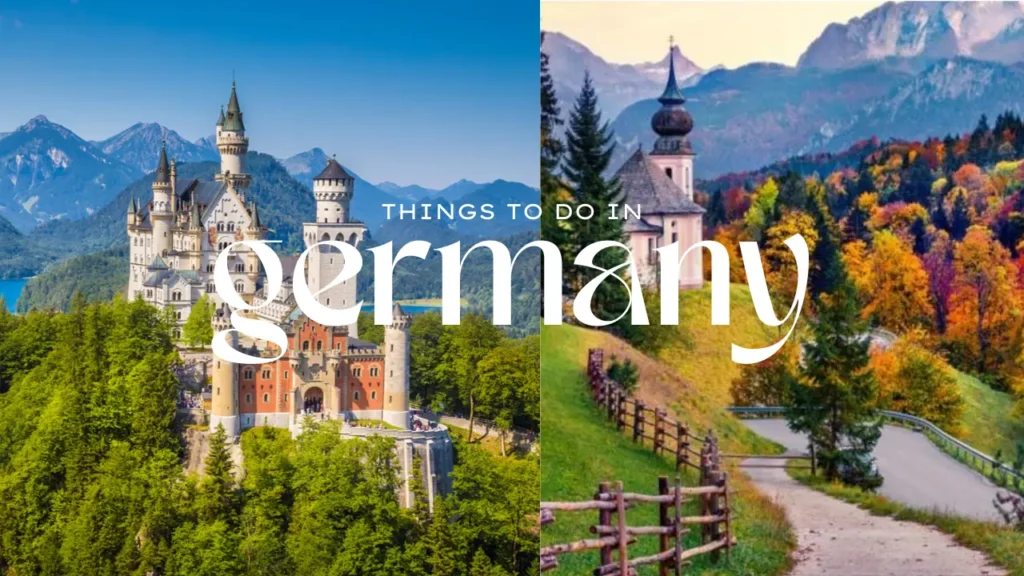
I’ll help you plan a trip that balances big-city highlights, fairytale castles, outdoor adventures, world-class museums, and local food and beer, all in one place. If you want the top things to do in Germany, start by picking a mix of iconic cities (Berlin, Munich, Hamburg), at least one castle or palace, a regional festival or market, and an outdoor or family-friendly activity to round out your trip.
I’ll guide you through must-see neighborhoods, standout cultural sites, where to taste authentic cuisine and beer, how to find seasonal celebrations, and practical tips for getting around so you make the most of every day.
Explore Iconic German Cities
I highlight must-see landmarks, cultural institutions, and distinctive neighborhoods that define each city. Expect practical entry points, best times to visit, and what to prioritize when time is limited.
Berlin Landmarks
I start at the Brandenburg Gate, the city’s symbolic neoclassical arch and a useful meeting point near Tiergarten. From there I walk to the Reichstag dome; pre-booked visits let me climb the glass dome for skyline views and watch parliamentary sessions below.
I prioritize Museum Island for concentrated history: the Pergamon, Neues, and Bode museums contain classical antiquities and Byzantine art. I also explore the East Side Gallery along the Spree to see preserved Berlin Wall murals and street-level history.
For contemporary Berlin, I visit the vibrant Mitte neighborhood for galleries and cafés, and Kreuzberg for street food and nightlife. I recommend early morning or late afternoon to avoid midday crowds at major sites.
Munich Historical Sites
I begin at Marienplatz to see the New Town Hall’s Glockenspiel performance and use it as a base to explore nearby pedestrian streets. The Frauenkirche with its twin towers offers an easy visual landmark and quiet interior to visit.
I always leave time for the Residenz palace, where the treasury and ornate state rooms show Bavarian rulers’ wealth. For art, the Alte Pinakothek houses Old Masters; the Pinakothek der Moderne showcases design and contemporary works nearby.
I suggest a visit to the Viktualienmarkt for local food, then a short tram ride to Nymphenburg Palace to see baroque gardens and grand interiors. If I plan a beer garden stop, I go late afternoon; Hofbräuhaus is busy but historically significant.
Frankfurt Skyline and Museums
I focus on the Main River promenade for the best skyline views and the Eiserner Steg footbridge for photos of the Römer and modern high-rises. Frankfurt’s compact center lets me move quickly between sights on foot.
I choose museums along the Museumsufer based on interest: the Städel for Old Master to modern paintings, the German Film Museum for cinema history, and the Museum of Applied Arts for design. I buy combination tickets when available to save time and money.
For business and finance context, I visit the Römer civic square and the Main Tower observation deck to view the banking district from above. I plan museum visits in the morning and skyline photos at golden hour.
Hamburg Harbor Attractions
I start at the Elbphilharmonie plaza for panoramic harbor views and, when possible, attend a concert for its acclaimed acoustics. The building’s public viewing platform gives a clear sense of the port’s scale without buying tickets.
I walk the historic Speicherstadt warehouses and visit Miniatur Wunderland to see detailed model railway and cityscapes. The adjacent HafenCity redevelopment offers modern architecture and riverside cafés.
I board a harbor boat tour to pass container terminals, shipyards, and historic vessels; tours vary from short panoramas to longer port-entry trips. I finish with a visit to St. Pauli Landungsbrücken for seafood stalls and ferry connections.
Discover Germany’s Castles and Palaces
I highlight must-see royal residences, hilltop fortresses, and landscaped palaces that reveal Germany’s regional histories and architectural styles. Expect practical visiting details, signature features, and tips for making the most of each site.
Neuschwanstein Castle Tours
I recommend booking timed-entry tickets in advance for Neuschwanstein to avoid long queues, especially between May and September. The castle perches above Hohenschwangau near Füssen; you reach it by a 30–40 minute uphill walk, shuttle, or horse-drawn carriage.
Interior guided tours run about 30 minutes and focus on Ludwig II’s theatrical décor, the Singer’s Hall, and the Throne Room (the throne is symbolic; there’s no actual throne). Photography is limited inside, so bring a good camera for exterior vistas instead. Combine your visit with Hohenschwangau Castle below or a walk to Mary’s Bridge for the classic panorama and river-valley views.
Sanssouci Palace
I visit Sanssouci in Potsdam for its intimate Rococo palace and extensive terraced gardens designed for Frederick the Great. The small palace rooms show refined 18th-century taste; the guided interior tour takes roughly 30 minutes and highlights the Frederick’s personal chambers and the terraced vineyards.
Allow extra time for the park: the New Palace, Chinese House, and the Roman Baths are within easy walking distance. Buy a combination ticket if you plan to see multiple palaces in one day. Tram and S-Bahn connections from Berlin make a day trip straightforward.
Heidelberg Castle
I approach Heidelberg Castle from the Old Bridge or the funicular that climbs from the Kornmarkt for dramatic views over the Neckar. The castle is a mix of Renaissance and Gothic ruins; highlights include the enormous Heidelberg Tun (wine barrel) and the apothecary museum.
Guided tours explain the castle’s destruction in the 17th–18th centuries and its successive restorations. Stroll the castle terraces for city panoramas, then explore the adjacent gardens and the German Pharmacy Museum. Expect cobbled paths and uneven surfaces; wear sturdy shoes and plan 1.5–2 hours to cover the site comfortably.
Hohenzollern Castle
I plan Hohenzollern as a hilltop detour near Stuttgart or from Tübingen for an aerial fortress experience. The castle sits on a detached mountain summit; the walk from the parking area takes 20–30 minutes, or a shuttle is available in peak season.
The interior tour highlights the Prussian royal collection, ornate rooms, and the castle chapel. Photograph the battlements and the central courtyard which frame sweeping Swabian-Alps views. Check opening times and combine the visit with local hikes or the nearby town of Hechingen for regional food and accommodations.
Experience German Cuisine and Beer Culture
I focus on where to eat, what to order, and how to join local drinking traditions. Expect regional specialties, communal beer halls, and the seasonal intensity of Oktoberfest.
Traditional Food Experiences
I seek out regional dishes that define each German state. In Bavaria I order weisswurst with sweet mustard and freshly baked pretzels; in the Rhineland I try Himmel und Erde (blood sausage with apple and potato) and Kölsch-friendly cold cuts. Street stalls and market halls serve bratwurst, currywurst, and Münsterländer cheeses; bakeries offer dense rye breads and buttery pretzels daily.
I look for restaurants that list local provenance, Schwarzwälder ham, Franconian sausages, or North Sea herring, because ingredients shape the dish. When I have time, I visit a Bauernmarkt (farmers’ market) to taste seasonal produce and chat with vendors about traditional preparation.
Practical tips:
- Ask for “Hausgemacht” (homemade) for authentic dishes.
- Share a platter to sample more specialties.
- Try regional desserts: Black Forest cake in Baden-Württemberg or Berliner Pfannkuchen in Berlin.
Beer Gardens and Breweries
I prioritize beer gardens in Bavaria and brewery tours in cities like Cologne, Bamberg, and Munich. Beer gardens offer open-air seating, chestnut-tree shade, and a simple menu, cold lager, roast chicken, and pretzels, so you can focus on conversation and the beer. I bring cash to smaller gardens where card machines are rare.
Brewery tours vary: some historic breweries (Bamberg’s Rauchbier producers) show traditional methods and let me taste unfiltered beers, while Cologne’s Kölsch houses serve beer in small, continuous pours called Stangen. I book tours in advance for peak seasons and confirm whether they include tastings.
Quick brewery checklist:
- Wear comfortable shoes for cellar tours.
- Note bottle vs. tap-only beers.
- Respect local serving customs (e.g., return empty glasses promptly in some gardens).
Oktoberfest Highlights
I plan Oktoberfest visits around tent reservations, peak days, and comfortable lodging. Munich’s festival runs for about two weeks in autumn; popular tents fill fast, so I reserve a table weeks or months ahead to avoid long waits. I aim for weekdays early in the day if I prefer a less crowded experience.
Inside a tent I expect liter-sized Maß beers, hearty plates like roast pork knuckle, and live brass bands. I follow local etiquette: stand to sing along, tip servers, and avoid large backpacks. For a family-friendly alternative, I visit smaller regional Oktoberfests in cities such as Erfurt or local village festivals that offer traditional music without Munich-scale crowds.
Enjoy the Great Outdoors
I prioritize places that pair scenic variety with clear access and well-marked routes. Expect dense forests, river panoramas, and alpine terrain with options for day trips or longer excursions.
Black Forest Hiking
I start early on marked trails through the Black Forest to avoid crowds and catch soft morning light. The Westweg and Kandelhöhenweg offer multi-day and day-hike options; I pick segments that match my energy and logistics. Trails run from gentle valley walks to steep ridgelines, and signposts use colored markers, follow them rather than relying solely on GPS.
I plan stops at viewpoints like Feldberg or Triberg Waterfalls for photos and short rests. Local guesthouses (Gasthäuser) and mountain huts provide hearty meals and overnight stays, so I carry a light first-aid kit, rain layer, and water filter for longer routes. For winter, I swap hiking boots for snowshoes or groomed cross-country trails.
Rhine Valley Cruises
I book a daytime cruise between Koblenz and Bingen for castle views framed by vineyards and steep hillsides. I choose smaller regional boats to get closer to riverbanks and allow quicker boarding. Look for departures in the late morning to enjoy lunch on deck and avoid early fog.
I combine a short cruise with a bike rental at Bingen or Rüdesheim to explore riverside wine villages. Key sights include Marksburg and Rheinfels castles; bring binoculars and a compact camera. Cruises run year-round, but I pick spring or early autumn for milder weather and active vineyard scenes. Check schedules in advance, some boats link with regional trains for flexible returns.
Bavarian Alps Activities
I select the Bavarian Alps for alpine hikes, via ferrata routes, and seasonal activities like lake swimming and winter skiing. For Summit views, I target Zugspitze or the Jenner area; both have cable cars if I prefer shorter ascents. When I hike, I carry crampons or poles depending on snow conditions and check mountain-weather forecasts that change rapidly.
I use local cable cars to access high trails, then descend on foot into valleys with mountain lakes such as Königssee or Eibsee for clear-water swims. For families or mixed-ability groups, I pick easy alpine trails and ropeway-access viewpoints. Permit technical climbs only with a certified guide and proper equipment.
Delve Into German Art and Culture
I highlight landmarks, performances, and urban creativity that reveal Germany’s artistic range. Expect concentrated visits to world-class museums, live classical concerts, and bold street art scenes.
Museum Island in Berlin
I start at Museum Island (Museumsinsel), a UNESCO site on the Spree that houses five major museums in close proximity. The Pergamon Museum holds monumental reconstructions like the Ishtar Gate; the Neues Museum displays the Egyptian bust of Nefertiti; and the Altes Museum focuses on classical antiquities. These collections let me move from ancient Near Eastern and Egyptian artifacts to European art without long transfers.
Plan at least half a day to see highlights and buy timed-entry tickets in advance during high season. I use the island’s map to prioritize pieces and check temporary exhibitions at the Bode Museum and the Alte Nationalgalerie. Photography rules vary by museum, so I look for signage or ask staff before shooting.
Classical Music and Opera
I attend performances in dedicated venues with deep musical traditions, such as the Berlin Philharmonie, Semperoper in Dresden, and the Bavarian State Opera in Munich. These houses present orchestral concerts, operas, and chamber music by leading conductors and soloists, and their season schedules run year-round with special festival weeks.
I book tickets early for core repertoire and popular premieres; many theaters offer standing-room or last-minute seats at reduced prices. For a budget-friendly option, I also look for matinees, student discounts, and public rehearsals. Dress codes are relaxed, but arriving slightly formal shows respect for the venue and performers.
Street Art in Urban Centers
I explore street art in neighborhoods where walls, alleyways, and train yards serve as open-air galleries. Berlin’s Kreuzberg and Friedrichshain feature large murals, paste-ups, and legal graffiti walls. In Leipzig, the Plagwitz and Connewitz districts combine studio spaces with vibrant mural routes. Street art tours and mapped walking routes help me find evolving pieces and learn artist backstories.
I respect private property and avoid photographing residences without permission. If I want a souvenir, I buy prints or stickers from local artists’ stalls or galleries that represent the street-art community. Street art changes fast, so I balance planned stops with time to wander and discover unexpected works.
Attend Celebrated Festivals
I choose festivals in Germany for their strong sense of place, clear seasonal rhythms, and opportunities to taste local food, music, and crafts. Each event offers different logistics and highlights, so I plan timing, transport, and accommodation in advance.
Christmas Markets
I visit traditional Christmas markets (Weihnachtsmärkte) across December to sample mulled wine (Glühwein), roasted chestnuts, and bratwurst while shopping handcrafted ornaments. Nürnberg, Dresden, and Cologne host some of the most atmospheric stalls; Nürnberg’s Christkindlesmarkt is famous for its gingerbread and strict vendor standards, while Dresden’s Striezelmarkt showcases Stollen and regional crafts.
I go early in the evening for lights and avoid weekend crowds by aiming for weekday afternoons. I bring cash for small purchases, wear warm layers, and use public transit, most markets center on main squares with tram or S‑Bahn stops nearby. For photography, I pick narrow alleys and timber‑framed backdrops rather than wide plaza shots.
Karneval Parades
I join Karneval (Fasching/Fastnacht) festivities during February or late January in Mainz, Cologne, and Düsseldorf for elaborate parades, satirical floats, and costume culture. Cologne’s Rose Monday parade draws huge crowds and loud brass bands; Mainz is known for political satire, and Düsseldorf emphasizes elaborate float engineering.
I reserve hotels well in advance and plan to carry minimal gear, phone, ID, and some cash, because streets fill quickly. I wear a weather‑appropriate costume and comfortable shoes; many locals trade sweets thrown from floats, so a small bag helps. For safety, I pick official viewing stands or marked spectator zones and follow local police guidance.
Cultural Events and Fairs
I attend Oktoberfest in Munich for the beer tents and Bavarian music, and I seek regional festivals like Ludwigsburg’s Pumpkin Festival for unique displays and family activities. I also prioritize Christopher Street Day (CSD) in Berlin or Cologne to support LGBTQ+ communities and enjoy large, civic parades.
I check event calendars for ticketed pavilions and book time slots for popular exhibits. I use regional rail passes for multi‑stop itineraries and factor in earlier closing times for smaller towns. When attending food‑focused fairs, I sample signature items at recommended stalls and note producers’ names for follow‑up visits or purchases.
Family-Friendly Attractions
I pick attractions that offer clear age ranges, easy transport access, and a mix of thrills, hands-on learning, and rest areas. Practical details like nearby parking, stroller routes, and food options shape my recommendations.
Europa-Park
I recommend Europa-Park when you want a full-day theme-park experience that suits both toddlers and teenagers. Located in Rust (Baden-Württemberg), it groups rides by country-themed areas, which helps plan a route and minimizes backtracking.
For little ones there are gentle carousels, play zones, and character meet-and-greets; older kids and adults will find roller coasters like Silver Star and Blue Fire. I advise buying timed entry or a skip-the-line pass for popular coasters, and checking the park map for baby-care rooms and quiet rest areas.
On-site hotels make multi-day visits practical. I typically arrive early to hit family rides, use the app for wait times, and reserve table-service restaurants to avoid long queues.
LEGOLAND Deutschland
I suggest LEGOLAND Deutschland for families with children aged about 2–12 who enjoy building and interactive play. The park in Günzburg centers on hands-on attractions: Miniland models, driving schools, and building workshops that let kids construct and race their creations.
Safety and height-based ride information is clearly posted, so I plan activities by my child’s height rather than age. The DUPLO area is perfect for toddlers, while brick-building challenges and 4D cinema appeal to older kids. Seasonal events and special “building” shows provide extra value during school holidays.
I use lockers for valuables, take advantage of family restrooms, and factor in time for the adjacent LEGOLAND Feriendorf if I want an overnight stay near the rides.
Interactive Museums for Kids
I look for interactive museums that let children touch, experiment, and lead their own learning, museums in Germany excel at hands-on science and history. Notable examples include the Deutsches Museum’s Kinderreich in Munich and the Universum Bremen, both designed around discovery zones and short exhibits kids can complete in 20–40 minutes.
I plan visits around workshops or timed demonstrations, since those offer structured engagement and limit wandering. Many museums provide family tickets, audio guides for children, and cloakrooms for strollers and coats.
To manage energy and attention, I alternate high-interaction exhibits with quieter displays and schedule a café or park break halfway through the visit.
Unique Regional Experiences
I highlight routes, vineyards, and sandstone peaks that reveal Germany’s regional character. Expect specific towns, tasting notes, and practical tips for getting the most from each area.
Discovering the Romantic Road
I drive segments of the Romantic Road to capture its medieval towns and picturesque castles. Start in Würzburg to see the Residenz and continue south through Rothenburg ob der Tauber for perfectly preserved half-timbered streets and the Night Watchman tour. I recommend pausing in Dinkelsbühl and Nördlingen for quieter, authentic market squares.
Logistics matter: rent a car for flexibility, or use regional trains and buses between major stops. Allow two to four days to savor the highlights; single-day runs feel rushed. Bring comfortable shoes for cobbled streets and arrive early in peak season to avoid tour groups.
Wine Tasting in the Moselle Valley
I focus on steep-vine vineyards, slate terroir, and Riesling that balances citrus, petrol, and minerality. Base yourself in Bernkastel-Kues or Cochem for easy access to family-run wineries and promenade tasting rooms. Look for Kabinett to Spätlese labels for sweetness range; ask vintners about specific vineyard sites like Wehlener Sonnenuhr.
Practical tips: book tastings in advance during summer and harvest. Take the Moselle riverboat between villages to combine scenic travel with cellar visits. I carry a notebook to record vintages and producer names; many wineries ship internationally if you want to buy bottles not available at home.
Exploring Saxon Switzerland
I climb and hike amid dramatic Elbe sandstone formations east of Dresden, not in Switzerland despite the name. Key routes include the Bastei bridge for panoramic views and the Schrammsteine ridge for exposed scrambling. I recommend staying in Bad Schandau for access to trails and the Kirnitzschtal tram.
Trail choices vary from easy river promenades to multi-hour rock-hopping routes; bring layered clothing and sturdy shoes. If you want a challenge, secure a permit and ropes for via ferrata sections or hire a local guide to navigate harder terrain safely.
Practical Tips for Visiting Germany
I recommend carrying a small amount of cash; many shops and cafés still prefer cash, especially in smaller towns. I use cards where possible but keep €50–€100 in euros for markets, taxis, and tips.
I buy a BahnCard or regional rail pass when I plan multiple train trips; it cuts costs and simplifies booking. I book long-distance trains in advance to secure seats and lower fares.
I pay attention to opening hours, stores often close early on Saturdays and stay shut on Sundays. I plan grocery and pharmacy runs accordingly and check hours for museums or attractions.
I follow local recycling and waste rules because they are strict and clearly labeled. I separate bottles, paper, and residual waste using the colored bins or returnable deposit system (Pfand) for beverage containers.
I carry a printed copy of important documents and a digital backup; I also register travel details with my embassy if staying long. I enable mobile data and download maps offline to navigate without interruptions.
I learn a few basic German phrases; people appreciate the effort and it helps with service in non-tourist areas. I use polite forms like “Bitte” and “Danke” and attempt simple greetings.
I check weather and pack layers, German weather can change quickly, especially near the mountains. I bring comfortable shoes for cobblestones and public-transport-ready clothing for different temperatures.
Quick reference table
| Item | Why it helps |
|---|---|
| Cash (€) | Accepted everywhere; needed in small towns |
| Rail pass | Saves money on multiple trips |
| Reusable bag | Many stores charge for bags |
| Adapter (Type F) | Fits German outlets |